International e-commerce is a cornerstone of modern digital commerce, and Magento (Adobe Commerce) is one of the most powerful platforms for managing complex, multi-regional storefronts. However, managing multiple versions of the same store across different languages and countries introduces a significant SEO challenge: ensuring search engines understand which version to show to which user. This is where the hreflang attribute becomes indispensable.
Hreflang is an HTML attribute (rel="alternate" hreflang="x") used to tell search engines the specific language and geographical targeting of a webpage. It serves as a signal to Google, Yandex, and other search engines that a group of pages are localized versions of one another.
In the context of Magento, this is particularly critical because of how the platform is architected. Magento utilizes a hierarchy of Websites, Stores, and Store Views. Often, a merchant will have one store view for English (UK), another for English (US), and another for French. While the content on these pages might be 90% identical, they serve different audiences, use different currencies, and may have different shipping policies.
Without hreflang, search engines may struggle to distinguish between these localized versions. This can lead to two major issues:
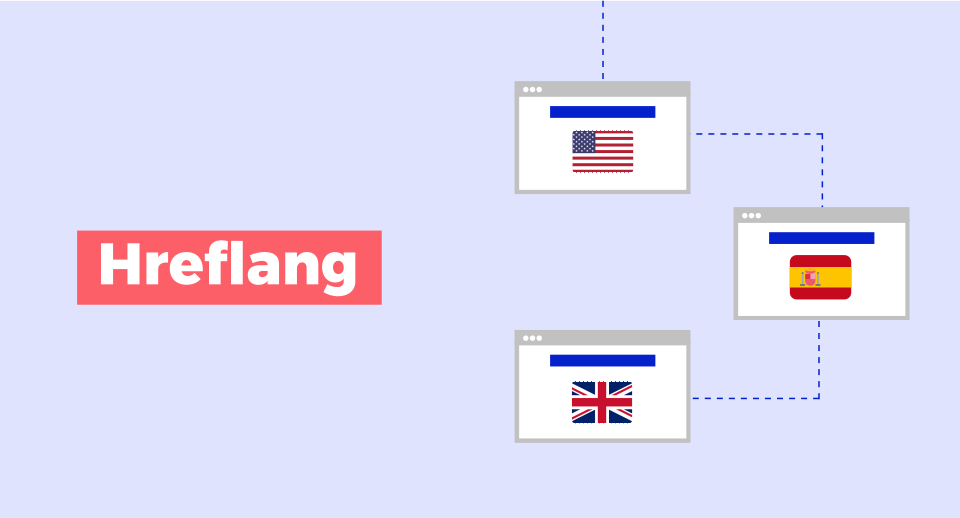
The implementation of hreflang is not just a technical "nice-to-have"; it is a foundational element of international SEO strategy. Within the Magento ecosystem, its roles are multifaceted.
Magento merchants often deploy separate store views to cater to specific markets. If a user in Berlin searches for a product you sell, you want them to land on your German store view (example.com/de/) rather than your UK store view (example.com/uk/). Hreflang acts as a roadmap, ensuring the search engine matches the user's browser language and IP location with the most relevant URL in your Magento setup.
Localized Magento pages often share the same product images, technical specifications, and layouts. If you are selling to both the US and Canada in English, the text might be identical. Google’s algorithms are designed to filter out duplicate content to provide variety in search results. By using hreflang, you explicitly tell the search engine: "These pages are not duplicates; they are intentional alternatives designed for different regions." This protects your domain authority and ensures each store view is indexed correctly.
When a search engine knows exactly who a page is for, it can rank that page more effectively in local search results. By mapping each Magento page to its correct language/region code, you increase the "local relevance" of your store views. This prevents your various storefronts from competing against each other in the search results (keyword cannibalization) and instead allows them to dominate their respective local markets.
Directing a user to the correct store view has a massive impact on conversion rates. If a customer is directed to a page with the correct language, localized currency, and relevant regional promotions, the bounce rate decreases significantly. In Magento, where checkout flows and product descriptions are often heavily localized, ensuring the user starts their journey in the right place is essential for a seamless path to purchase.
If you are running a multi-language or multi-region Magento store, hreflang is just one piece of the puzzle. To build a scalable global SEO strategy, you also need the right store view structure, URL strategy, content localization, and technical configurations working together.
👉 Read our in-depth guide: The complete guide to Magento multi-language SEO for global expansion
This guide walks you through everything from store view setup and hreflang best practices to common mistakes that limit international visibility. It is designed specifically for Magento store owners who want to expand into new markets with confidence.
Magento’s multi-store architecture provides a logical framework for hreflang, but the implementation requires precision. For the attribute to work, every page in a "cluster" must reference every other page in that cluster, including itself.
In a standard Magento implementation, hreflang tags are placed in the <head> section of the HTML. Each tag follows a specific format:<link rel="alternate" hreflang="lang-code" href="url" />
For a Magento store with three languages (English, French, German), a single product page would contain three hreflang tags in its header. Each of these three pages must contain the exact same set of tags to create a "reciprocal" relationship. If Page A links to Page B, but Page B does not link back to Page A, search engines may ignore the tags entirely.
Magento setups often include a "Global" store or a landing page where users choose their language. The x-default hreflang value is used for these pages. It tells search engines that this specific URL is the fallback for any user whose language or region does not match any of the other specified tags.
Imagine you have a product: "Blue Suede Shoes".
In the backend of Magento, these are linked as the same product entity. When the page renders, the system must generate tags for all three URLs on every version of that product page. This ensures that whether a bot crawls the US, UK, or French version, it sees the full map of localized alternatives.
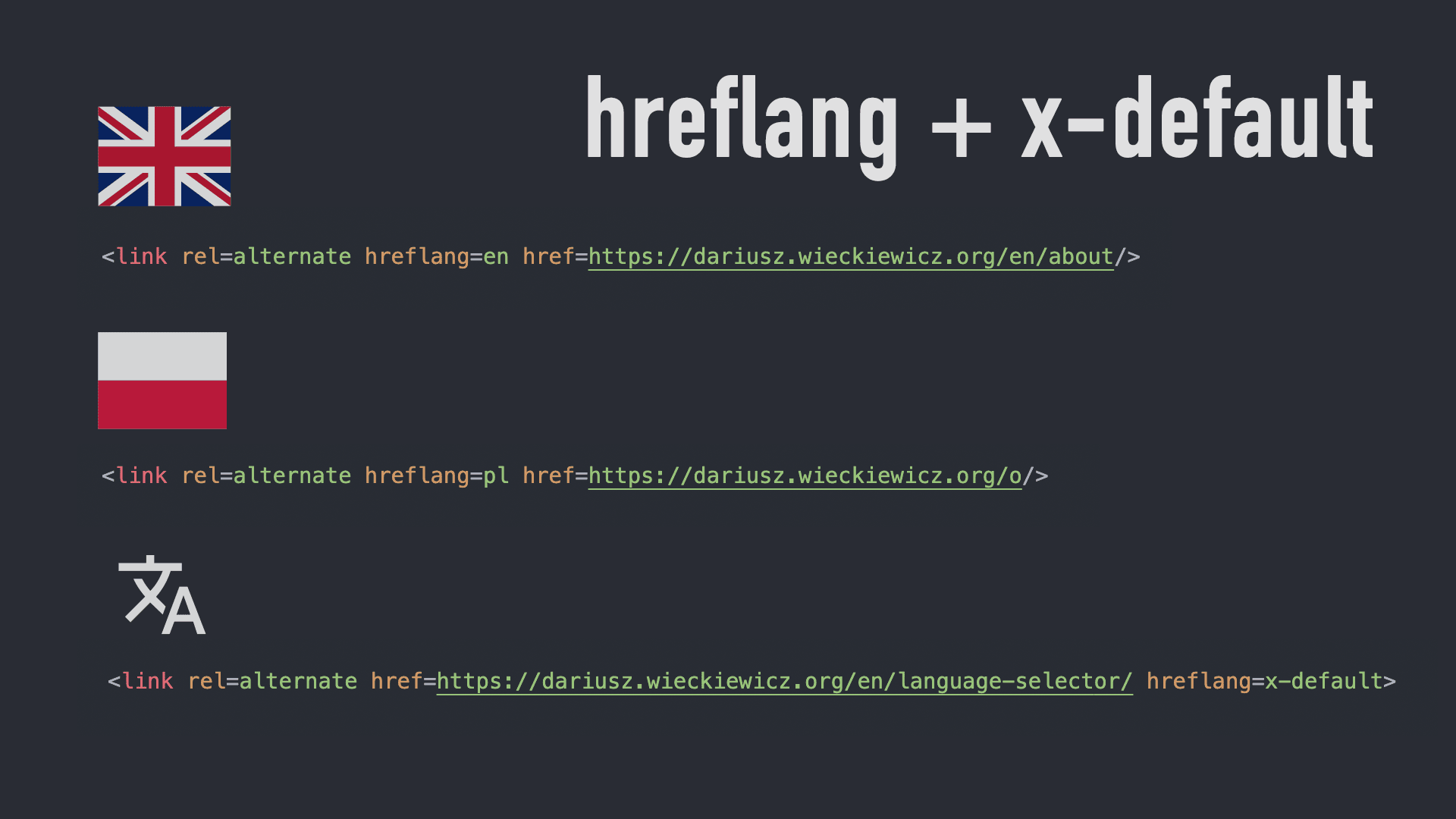
The most common use case is a merchant selling in different languages (e.g., English, Spanish, and Japanese). Here, Magento uses hreflang to distinguish between en, es, and ja content.
Many Magento users target different English-speaking markets (US, UK, Australia, Canada). While the language is the same, the regions differ. Hreflang allows you to specify en-us and en-gb, which is vital for displaying the correct currency (USD vs. GBP) and local shipping information.
Some merchants keep their content in English but vary pricing based on the region. In this scenario, hreflang prevents the search engine from seeing the "identical" English pages as duplicates, recognizing that the price and regional targeting (e.g., en-ae for United Arab Emirates) are the distinguishing factors.
Implementing hreflang in Magento can be complex due to the sheer volume of products and categories. Following these best practices is essential for a bug-free implementation.
Every store view must be mapped to a valid ISO 639-1 language code and, optionally, an ISO 3166-1 Alpha-2 region code. It is a common mistake to use "uk" instead of "gb" for United Kingdom targeting. Ensure your Magento configuration uses the standard formats recognized by search engines.
Hreflang is not just for product pages. It must be implemented across:
Search engines must be able to crawl the URLs listed in your hreflang tags. If your Magento hreflang tags point to 404 pages or URLs that redirect (301/302), the hreflang cluster will break. This often happens in Magento when URL keys are changed for one store view but not updated in the hreflang logic of others.
A page must always include a link to itself in the hreflang set. If you are on the French page, the list of alternate links must include the French URL with the fr tag. Without this, the set is considered incomplete.
If your Magento store has a "Global" version or an entry splash screen, assign it the x-default value. This ensures that a user in a country you haven't specifically targeted (e.g., Brazil) is sent to your preferred fallback version rather than a random localized store view.
The role of hreflang in Magento is to provide a bridge between your store’s complex internal architecture and the way search engines index the global web. By correctly implementing these tags, you align your multi-store and multi-region structure with search engine expectations, effectively "translating" your business logic into SEO success.
For any Magento business expanding across international borders, hreflang is a core component of technical SEO. It protects you from duplicate content issues, boosts your local search visibility, and, most importantly, ensures that your customers always land on the version of your store that is most relevant to them. Proper configuration today prevents the costly "ranking cannibalization" that plagues many unoptimized international storefronts.


